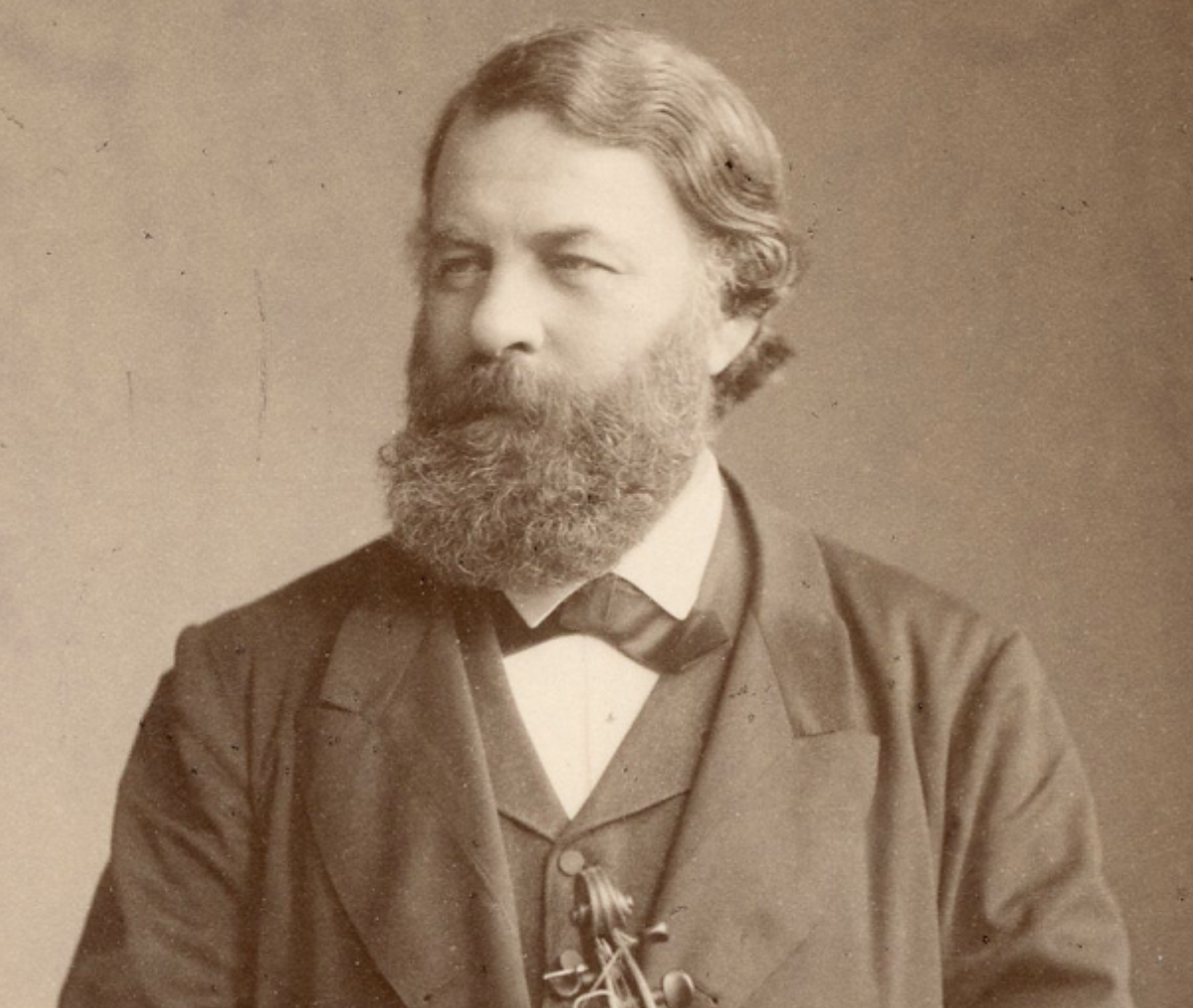
Joseph Joachim was the greatest violinist of the second half of the nineteenth century. The photograph shows him in 1890, five years before Einstein heard him play Brahms and the Bach Chaconne in Aarau. Here he plays the opening movement of the G minor sonata for solo violin by Bach.
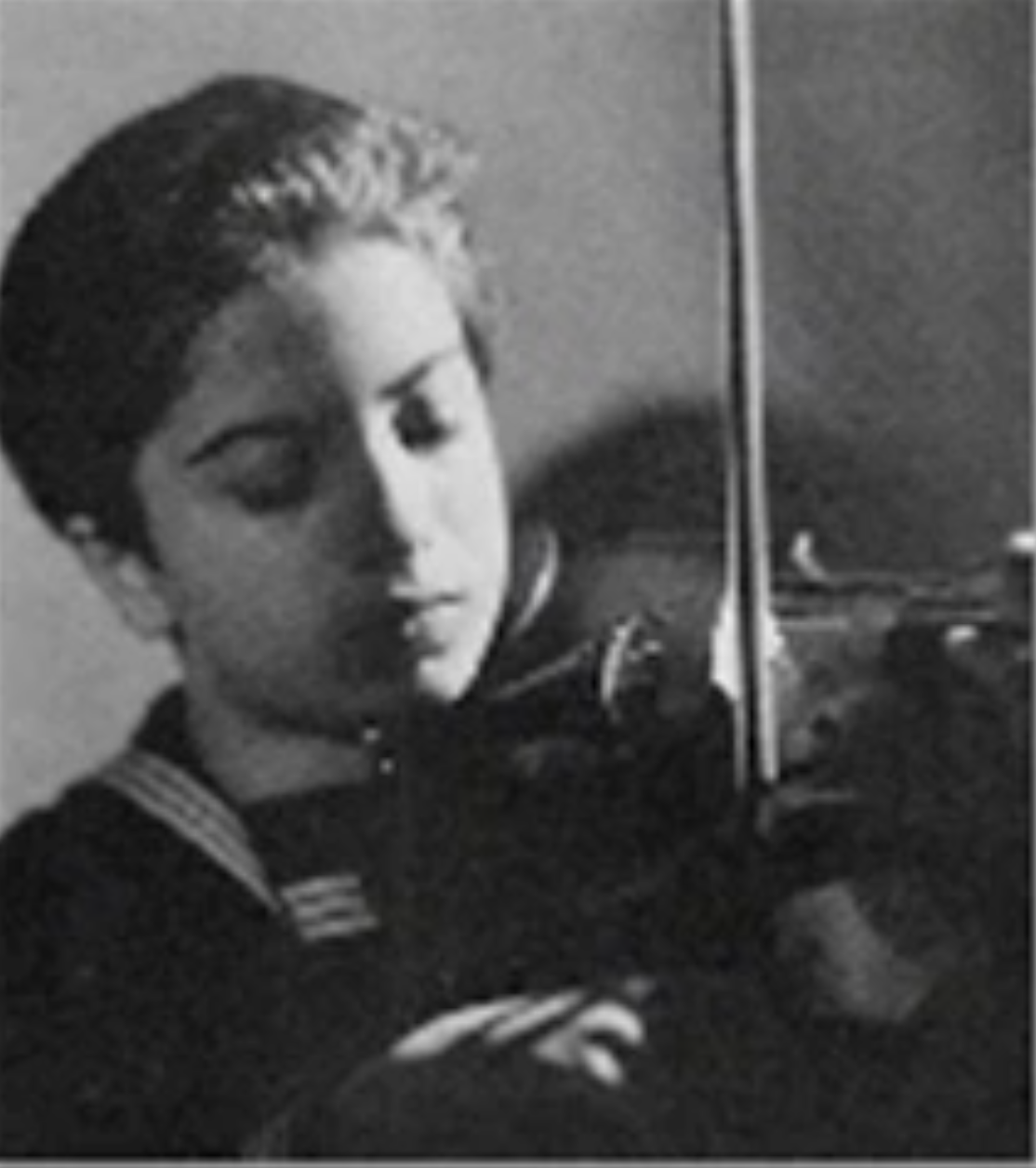
Ruggiero Ricci played Bach for Einstein in Caputh aged 13 and then in Caltech some years later. Here, aged 12, he plays Paganini “La Campanella”.
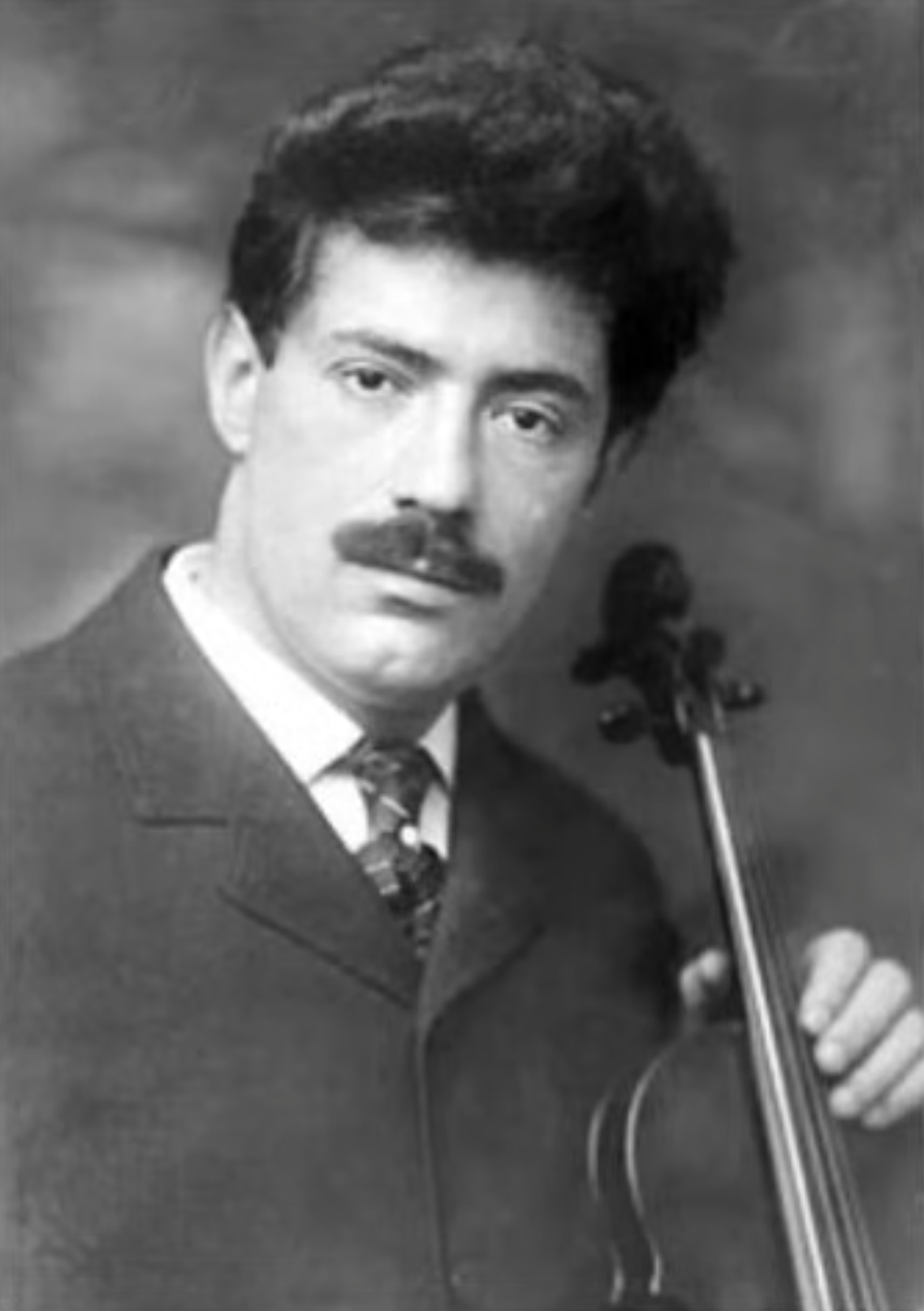
Fritz Kreisler and Einstein were good friends and often played music together. Einstein attended many of his concerts. Here, Kreisler plays one of his own compositions, “Liebesleid”. One recording is from 1930 in Berlin, another from 1942 in Philadelphia.

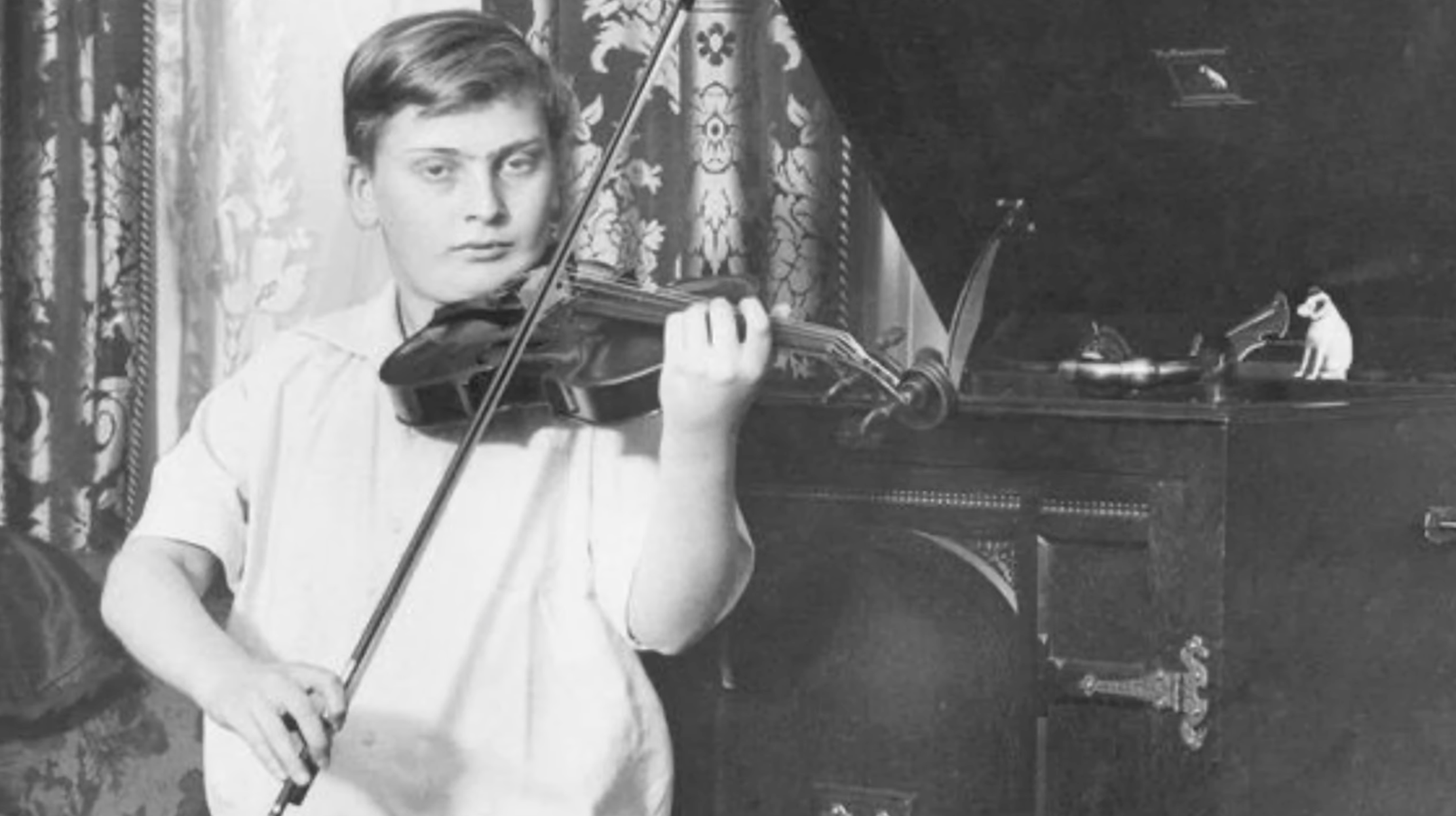
Menuhin’s legendary concert in Berlin in 1929 in which he played Bach, Beethoven and Brahms concertos at the age of 12 filled Einstein with admiration. Here, aged 14, he also plays Paganini’s “La Campanella”.
Adolf Busch was a close friend of Einstein, an inveterate anti-Nazi and a gifted composer as well as one of the foremost violinists of his era. His duo partner, Rudolf Serkin, was also his son-in-law. Einstein often attended their concerts, both in Berlin and, after he left Germany, in USA. Here they play Brahms G major sonata. which Einstein had played as a young pupil in Aarau.
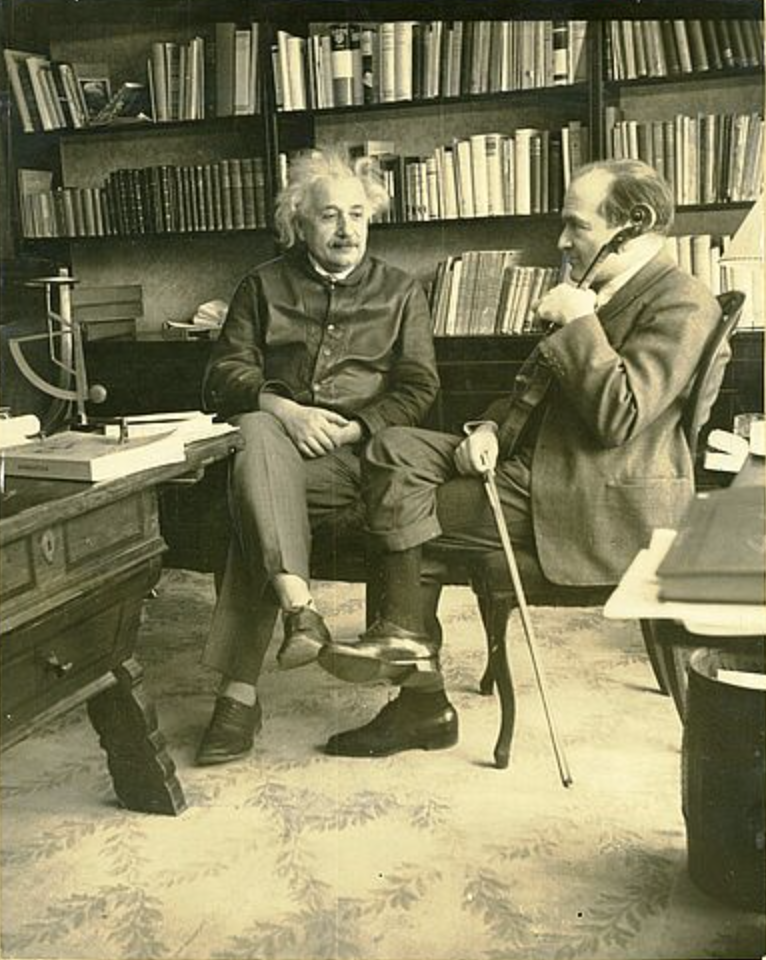
Bronislaw Huberman was not only a spell-binding virtuoso but also saved the lives of 100s of European Jews by founding the Palestine Symphony Orchestra. Here he and Einstein discuss this in Einstein’s study in Princeton. The recording is live: the Brahms Concerto played in 1944 with the New York Philharmonic (as they would become) conducted by Artur Rodzinski. Just listen to Huberman’s spiccato in the final movement!
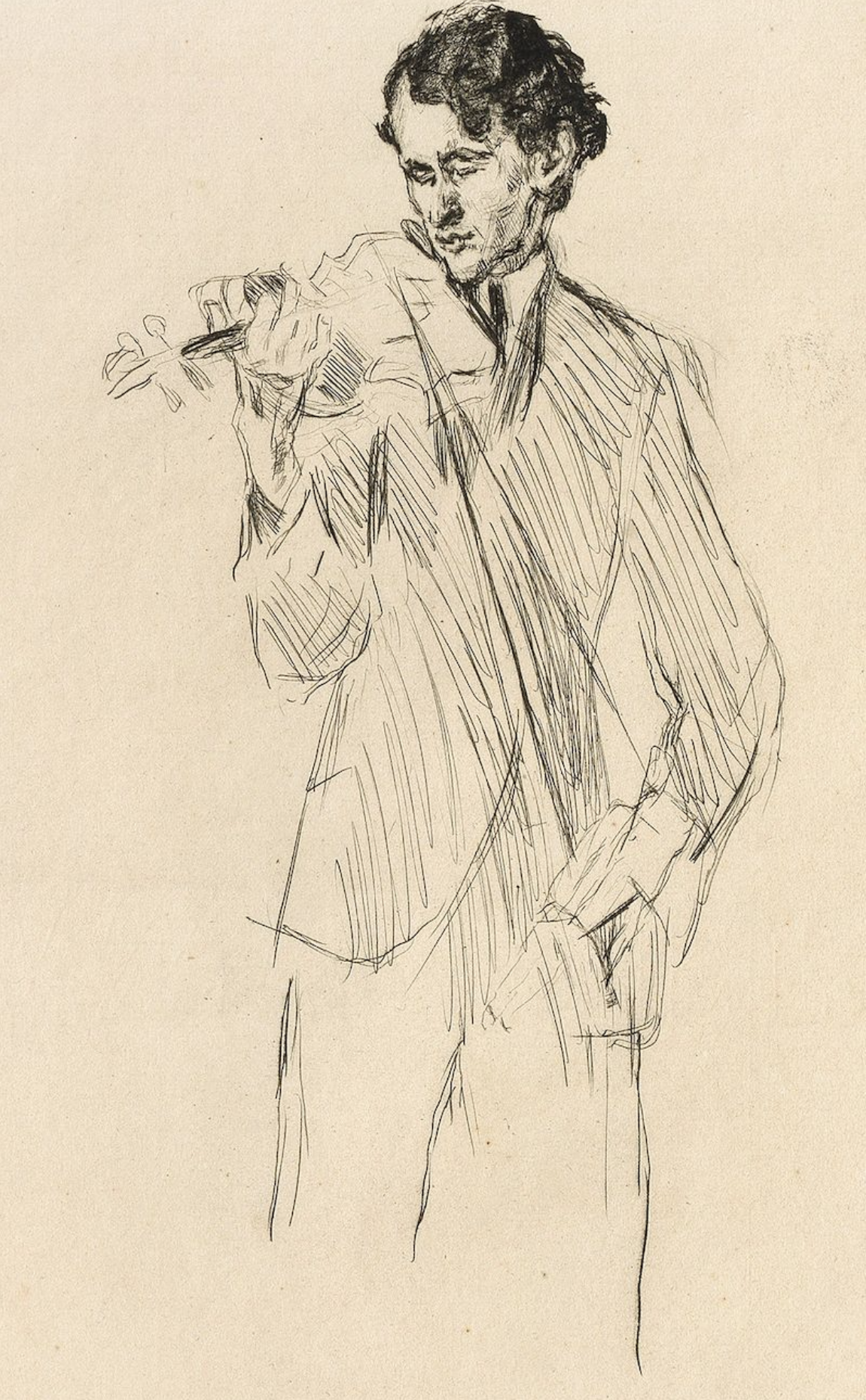
Andreas Weissgerber drawn by Max Slevogt. Weissgerber and his cellist brother Joseph were prodigies who took the Berlin musical world by storm. In 1920 they played in a piano quartet with Einstein. Both Weissgerber brothers emigrated to Palestine to join the Palestine Symphony Orchestra. Here they play the third movement of Schubert’s paino tri in E-flat major D929 with Claudio Arrau, with whom they formed a famous piano trio partnership.
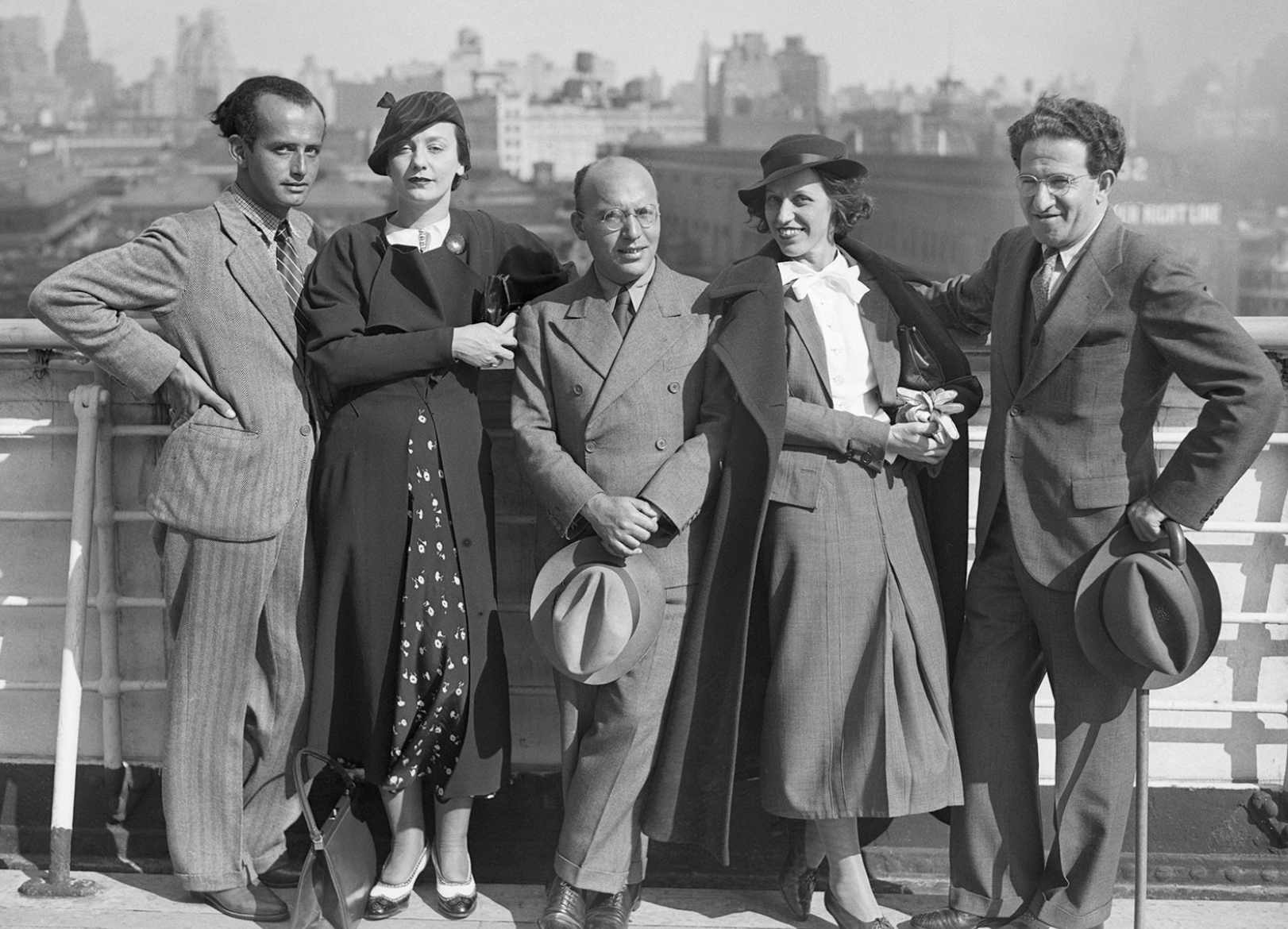
Francesco and Eleanore von Mendelssohn arrive in New York with Kurt Weill, Lotte Lenya and Meyer Wolf Wiesgal on 10th September, 1935. They were coming to work with Max Reinhart on Franz Werfel’s “The Road of Promise”. Einstein’s son-in-law, Dima Marianoff, also worked on this production. Francesco, a cellist, had been a musical partner of Einstein in Berlin. Although there are no recordings of him playing, the link is to Gaspar Cassado, who was the long-time partner of his mother, and with whom he had to fight for possession of the Piatti Stradivari cello. Cassado’s Suite is dedicated to Francesco.
(Photo from https://www.mendelssohn-gesellschaft.de/en/mendelssohns/biografien/francesco-von-mendelssohn)
Toscha Seidel befriended Einstein when he arrived in Princeton and played with him in string quartets. He also partnered him in the Bach Double Concerto in the “Einstein concert” in New York in 1934. Here he plays the “Meditation” from Massenet’s “Thais”.
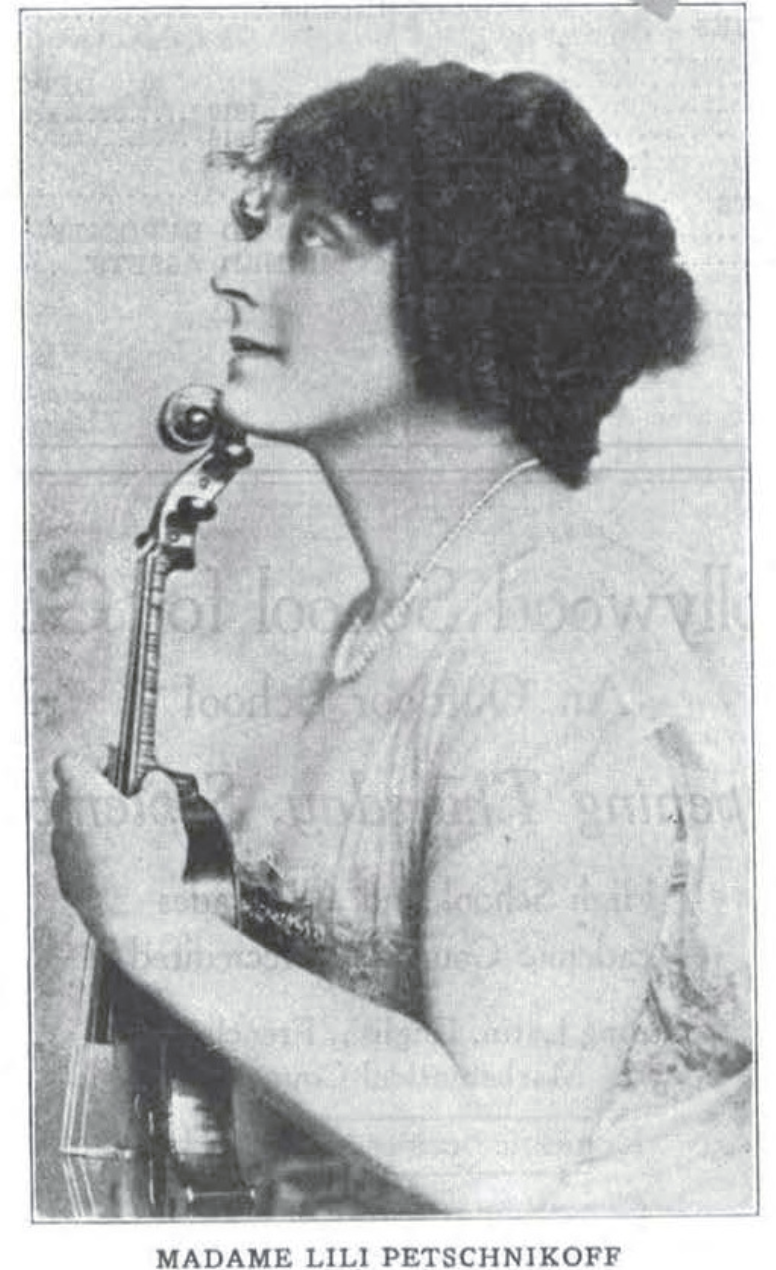
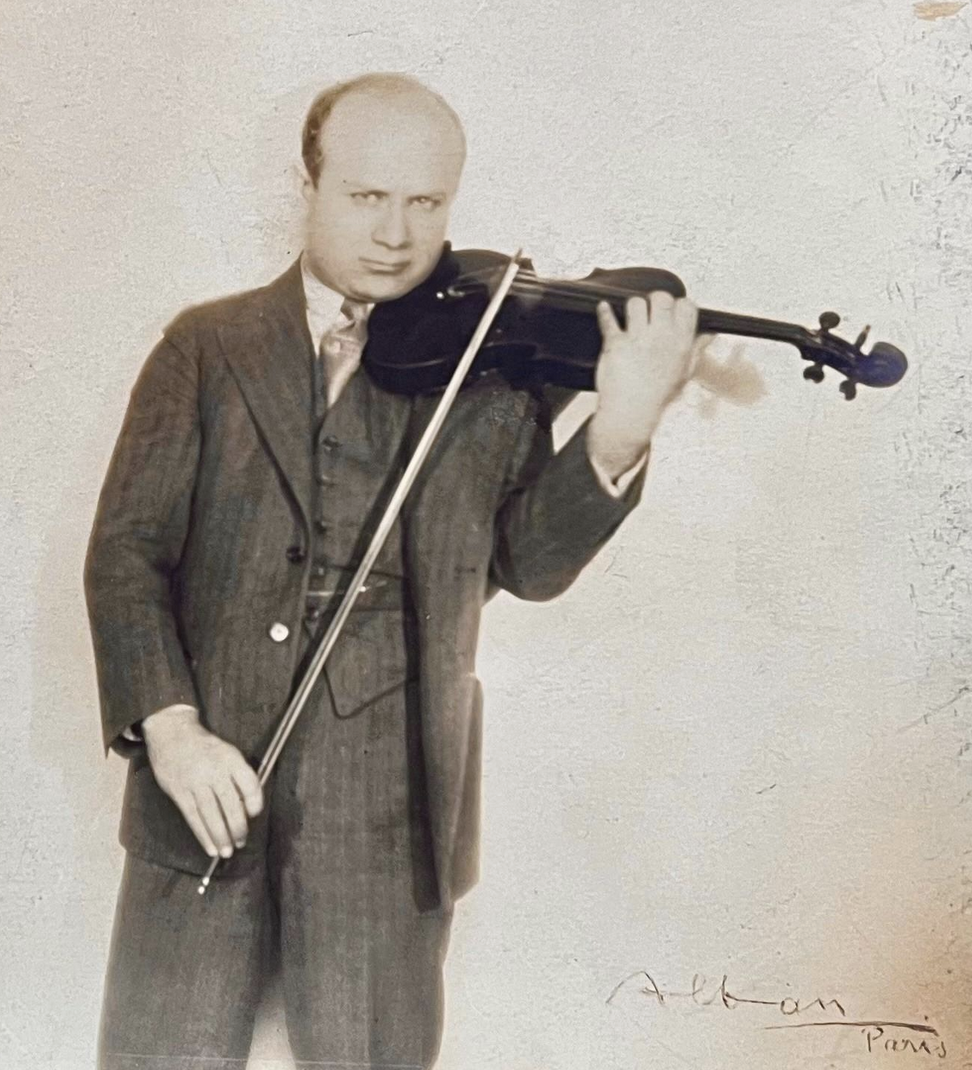
Lili Petschnikov (or Petschnikoff) was an accomplished virtuoso who befriended Einstein during his visits to Caltech beginning in 1931. They played chamber music together on many occasions. She had an eventful life. She discovered that her husband, also a famous virtuoso violinist, was in a bigamous relationship and left him, forcing her to try to flee Germany after the outbreak of the First World War as an enemy alien. Eventually she made it to California, settling in a house near to the Hollywood Bowl. There are no recordings of her playing on the internet; the link is to her ex-husband, Alexander Petschnikov, playing pieces by Nardini, D’Ambrosio and Vieuxtemps.
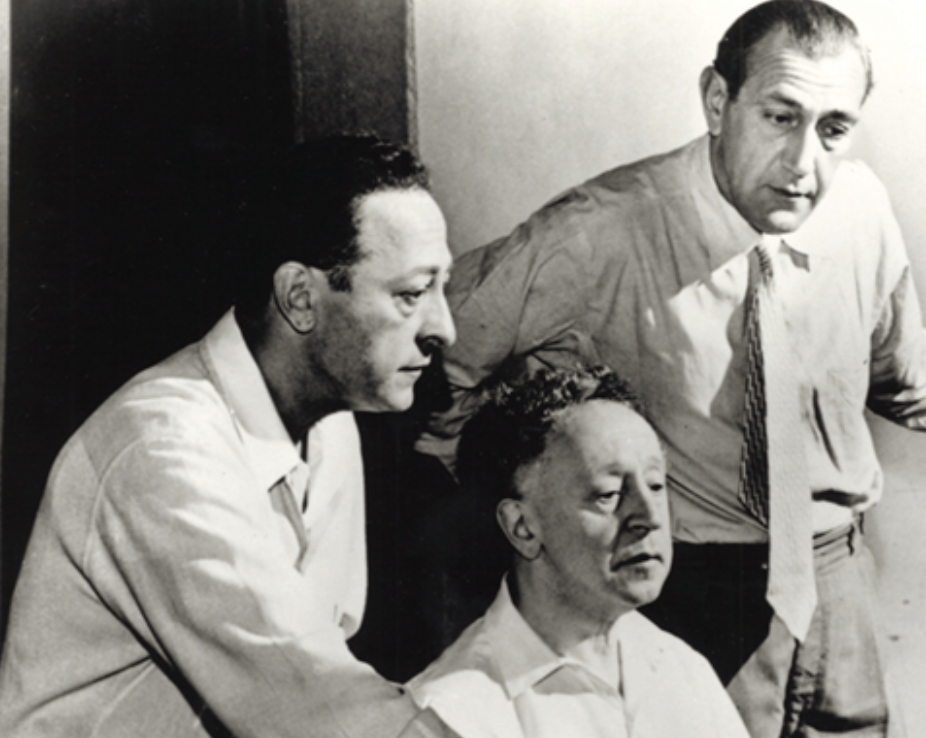
Three titans of 20th century music: Jascha Heifetz, Artur Rubinstein and Gregor Piatigorsky. Although there is no explicit evidence that Einstein played music with any of them, he knew them all socially and it is rather likely that he did so. The link is to the three playing Mendelssohn’s First Piano Trio.
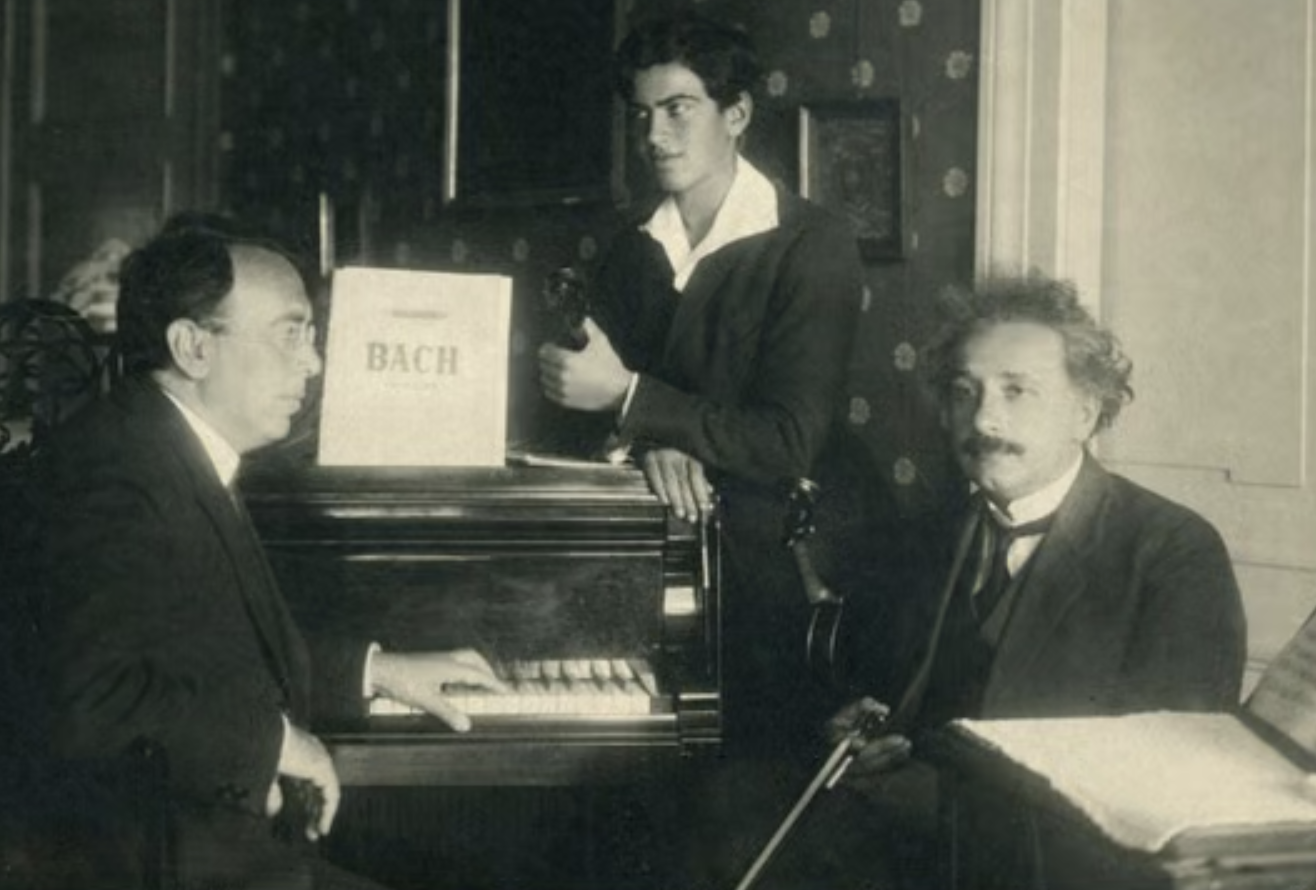
Boris Schwarz as a teenage virtuoso with his father Joseph, himself a distinguished concert pianist, about to play the Bach “Double” Concerto with Einstein in his apartment in Haberlandstrasse, Berlin. The picture is probably from the mid-1920s. He fled the Nazis, assisted by Einstein, to the USA where he eventually became a respected musicologist and wrote “Great Masters of the Violin” which contains short biographies of many of the violinists mentioned in “Einstein: A Life in Science and Music “. The link is to a recording of Schwarz playing the Bach A major sonata for violin and harpsichord.
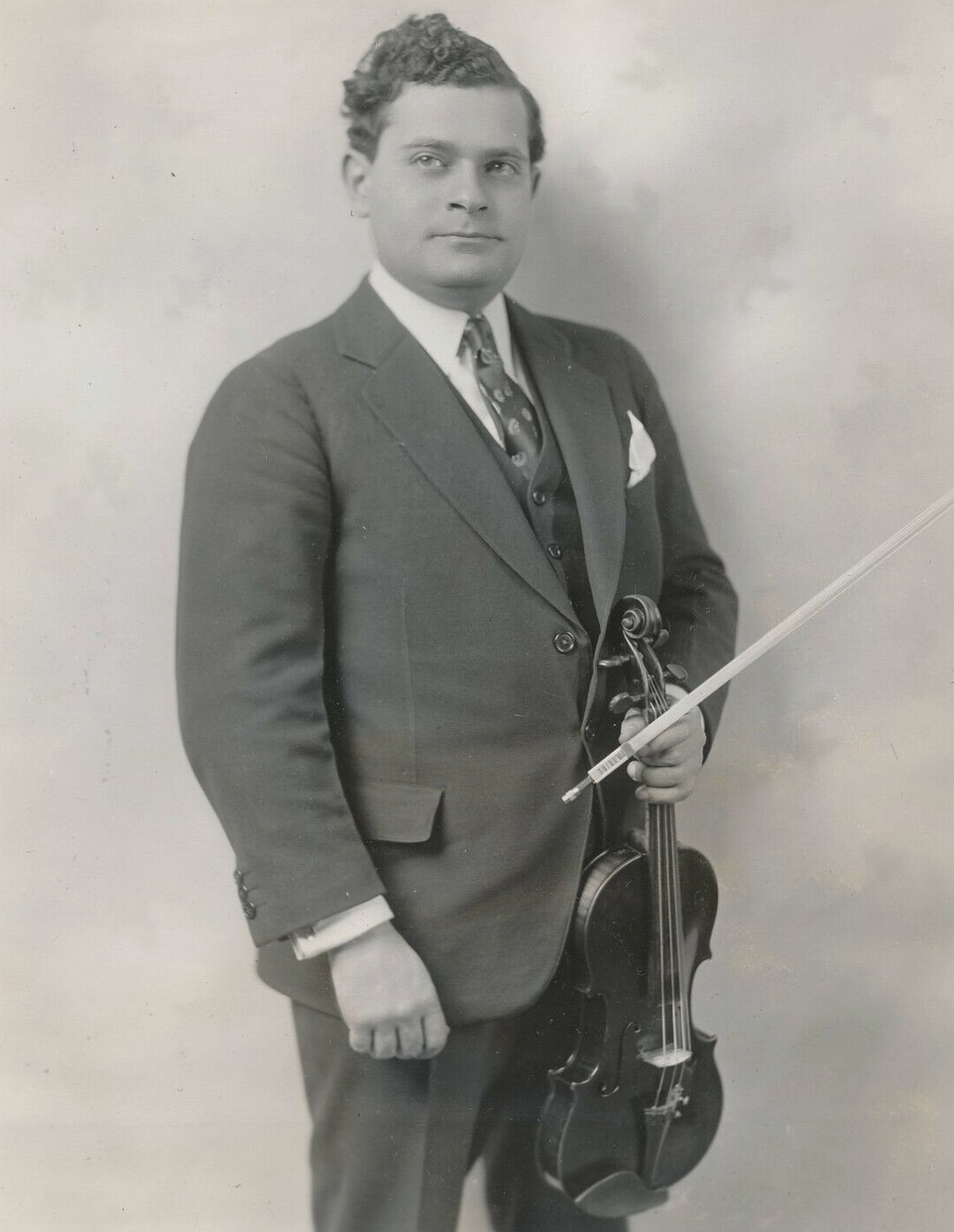
Mischa Elman in 1930. He played with Einstein and Leopold Godowski in January 1934. The link is to a recording of him playing the Tchaikovsky Violin Concerto and Serenade Melancholique made around 1930.
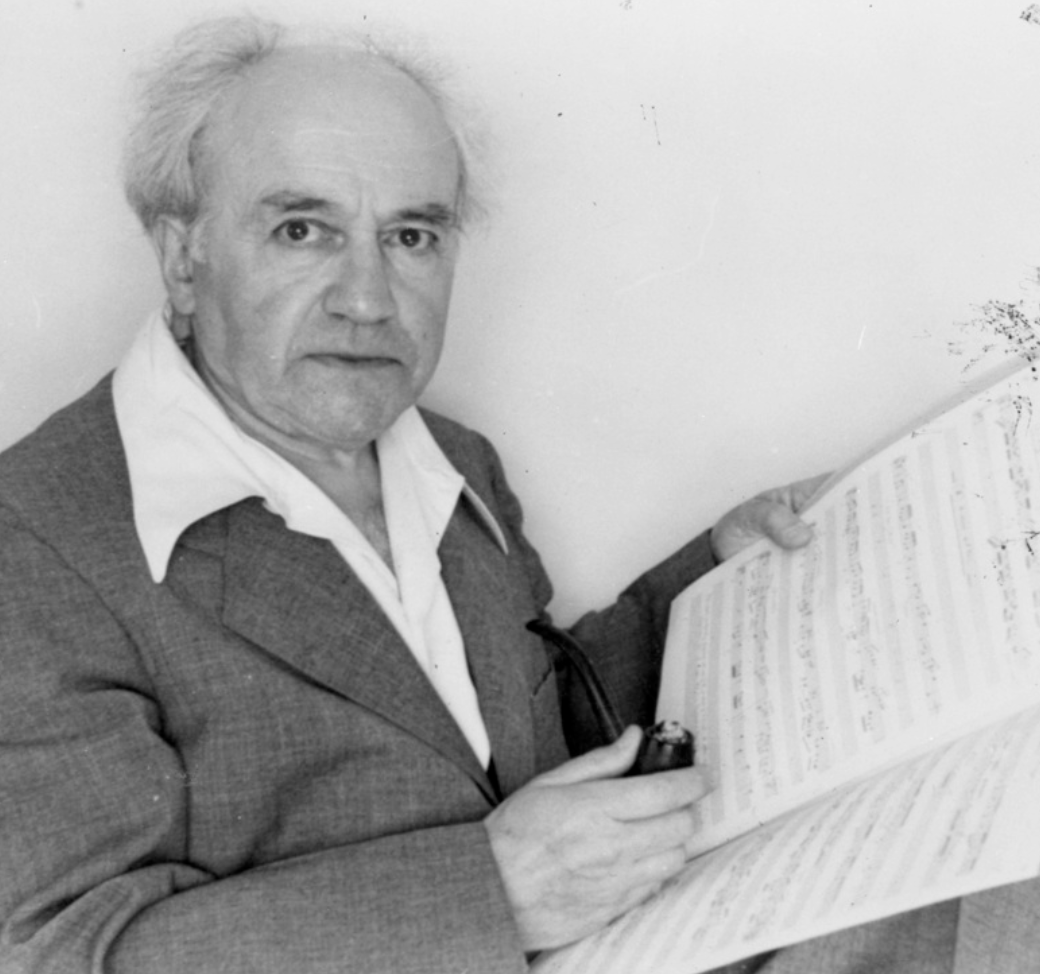
Although Einstein was not fond of contemporary music, he made an exception for Ernest Bloch. Perhaps this was due to the Jewish character of many of Bloch’s works. Einstein said “My knowledge of modern music is very restricted. But in one respect I feel certain: True art is characterised by an irresistible urge in the creative artist. I can feel this urge in Ernest Bloch’s work as in few later musicians”.
The link below the photograph is to a live recording of Bloch’s “Nigun” by Jack Liebeck and Inon Barnatan. This was recorded on an iPhone during the tour of the USA by the author and these musicians to mark World Year of Physics in 2005, commemorating Einstein’s “Annus Mirabilis” of 1905. The “Superstrings” lecture devised for this event, still being given today in various forms, is the genesis of “Einstein: A Life in Science and Music”.